
The Thanksgiving Table
Once upon a time, there was a woman who could not cook. She was so bad that her husband said she could “burn water.” However, she loved Thanksgiving, so she decided to open her home and host every year with the promise that she wouldn’t cook a thing and she’d let everyone else handle the food.
She would handle the decorations.
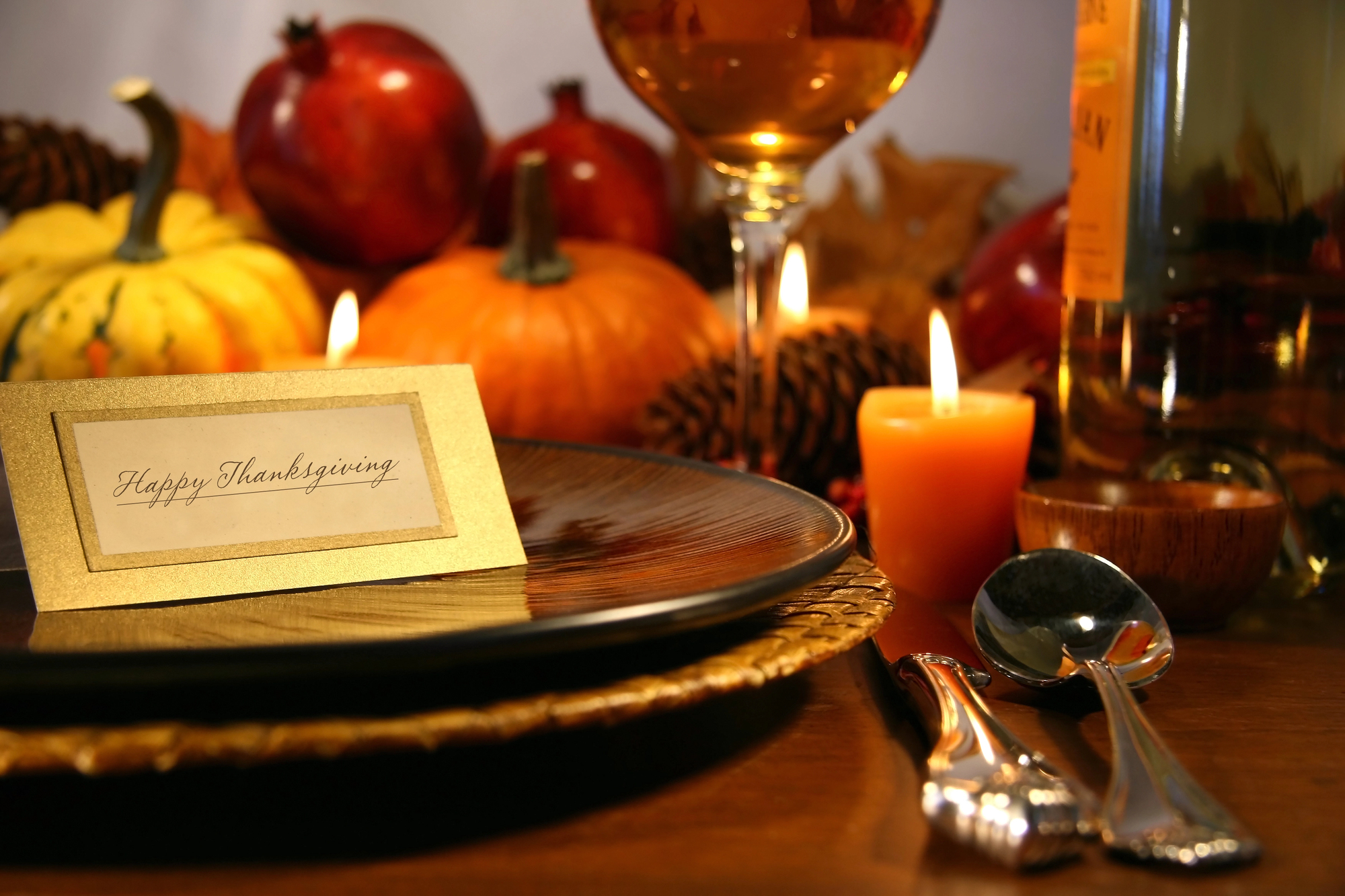
She spent weeks picking out the perfect shades of orange and brown linen napkins, gold plate chargers, crystal water glasses, chafing dishes, tiered-trays, baskets for the rolls and finally – the flower centerpiece and gold-engraved place cards with varying Scripture verses.
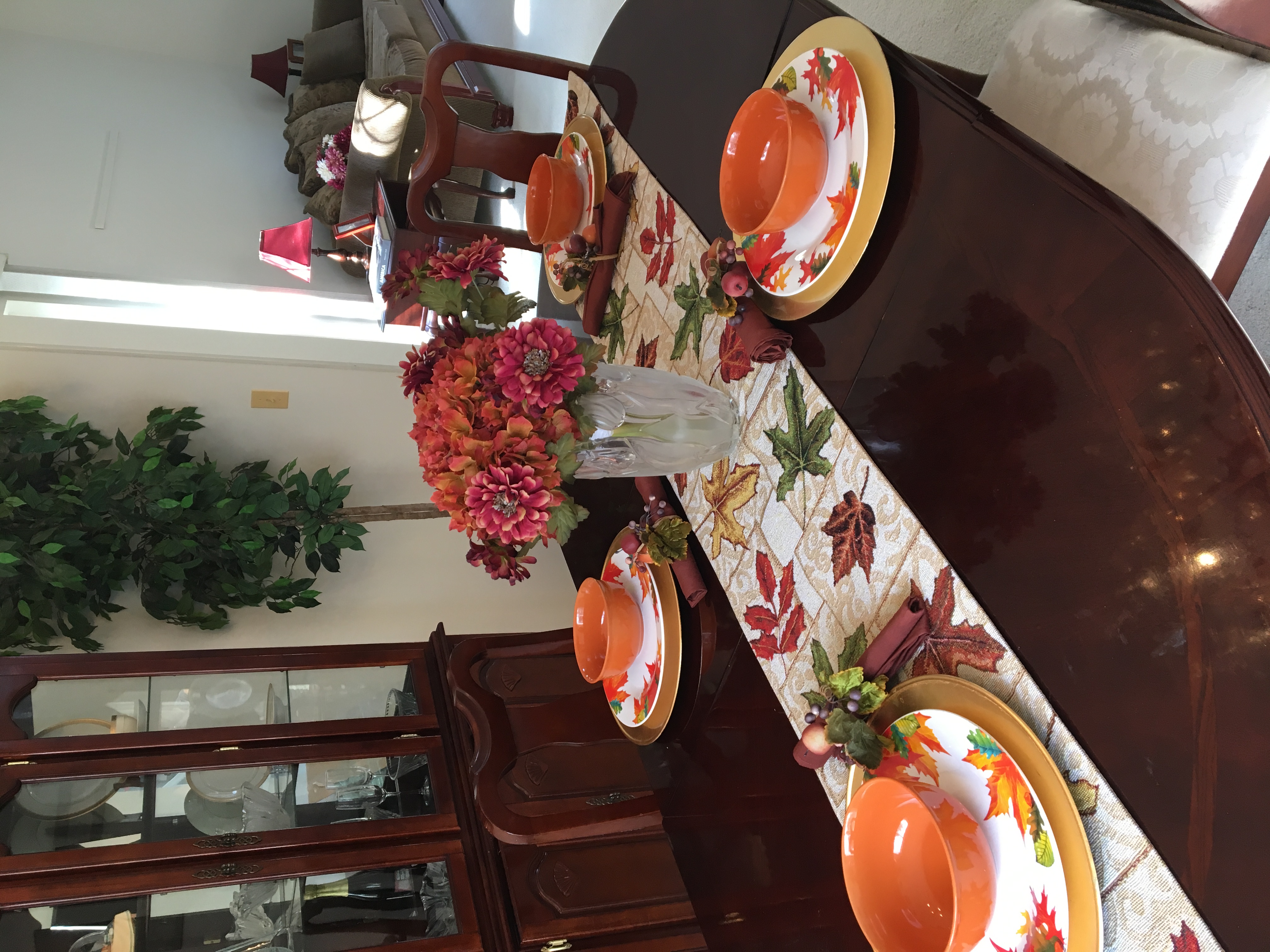
On Thanksgiving morning, her husband saw the elaborate display and said: “Why did you do all this? You know Black folks only care about the food.”
When the guests arrived, they complimented the décor but proceeded to ignore it. Instead of scooping the food out of the aluminum pans and into the chafing dishes, she was told: “Folks will just warm up food in the microwave.”
When she tried to scoop the greens out of the pot into a Wedgwood serving bowl, someone waved her hand away. “Why you wanna dirty up a bowl when we can leave the pot on the stove?”
When she saw someone pick up the charger plate and pile food on it, she almost fainted and couldn’t help wondering:
Why can’t we have nice things?
We asked Joi Henderson of King Joi Consulting in Los Angeles, who has hosted everything from holidays to movie nights in her home.
“Of course we can! As the host, I think the effort she put into her decor should have given her guests a clear sense of the kind of gathering she wanted. And there’s nothing wrong with her communicating that expectation, either.
“I’ve hosted everything from holidays to movie nights in my home, and I’m very comfortable letting people know what to expect. That includes arrival times, what to bring or not bring, and yes, even when the evening is wrapping up.
“I think we sometimes confuse being a good host with accommodating everything and everybody. You can absolutely make people feel welcome while still having expectations for how things will go. It’s my home! If I can’t hold court here, where can I?”
“I think it’s all about perspective and what people are accustomed to. What seems over the top to one person may be completely normal to someone else. I don’t necessarily think we need to change that perspective, but we can certainly respect the differences.
“I’m pretty casual about presentation, but I put major effort into preparation. For the holidays, I hire people to help with the decor and tablescape because I have a clear vision for how I want things to look. And if that vision doesn’t include aluminum pans on my table, that’s okay!
“If someone is bringing a dish, I’ll communicate how I’d like it brought or how we’re planning to serve it. That doesn’t make the gathering any less about family, food or tradition. It just means I’ve put some thought into the experience I want to create.”
“For me, it really comes down to communication, and I don’t necessarily see it as a fine line.
“If Cousin Mary is bringing the mac and cheese, I can absolutely tell her to make sure her aluminum pan is a certain size so it’ll fit into the chafing dish I’ve set up. I’m not asking her to change her recipe or how she prepares her food. I’m simply letting her know how we’re going to serve it.
“Our traditions and culture aren’t lost because we use nicer dishes or put a little more effort into setting the table. The food is still the food, the family is still the family, and the experience can be just as warm and familiar.
“I think we sometimes put so much emphasis on making guests comfortable that we forget about the person opening their home. Hosting takes time, effort, and money. I deserve to enjoy the experience I’m creating, too. Asking my guests to participate isn’t a heavy lift, especially when I’ve communicated what I need ahead of time.”
So if it’s fun for the host to add a layer of elegance to the display – be it with risers or towering floral bouquets or serving dishes – don’t assume dinner won’t be fun.
And for the host, remember what you’re doing this for. You want your guests to feel comfortable yet special.
So don’t get stuck on “how.” Ask yourself “why not?”
Want to pull out your china even though your mother-in-law wonders why you want to wash all those dishes?
Why not?
Fresh flowers on every table, even the fold-out tables in the garage?
Why not?
Charger plates and garnishes and crystal candlesticks?
Why not?
After all, according to Meghan, the Duchess of Sussex, “people eat with their eyes first,” meaning that display and presentation matter.
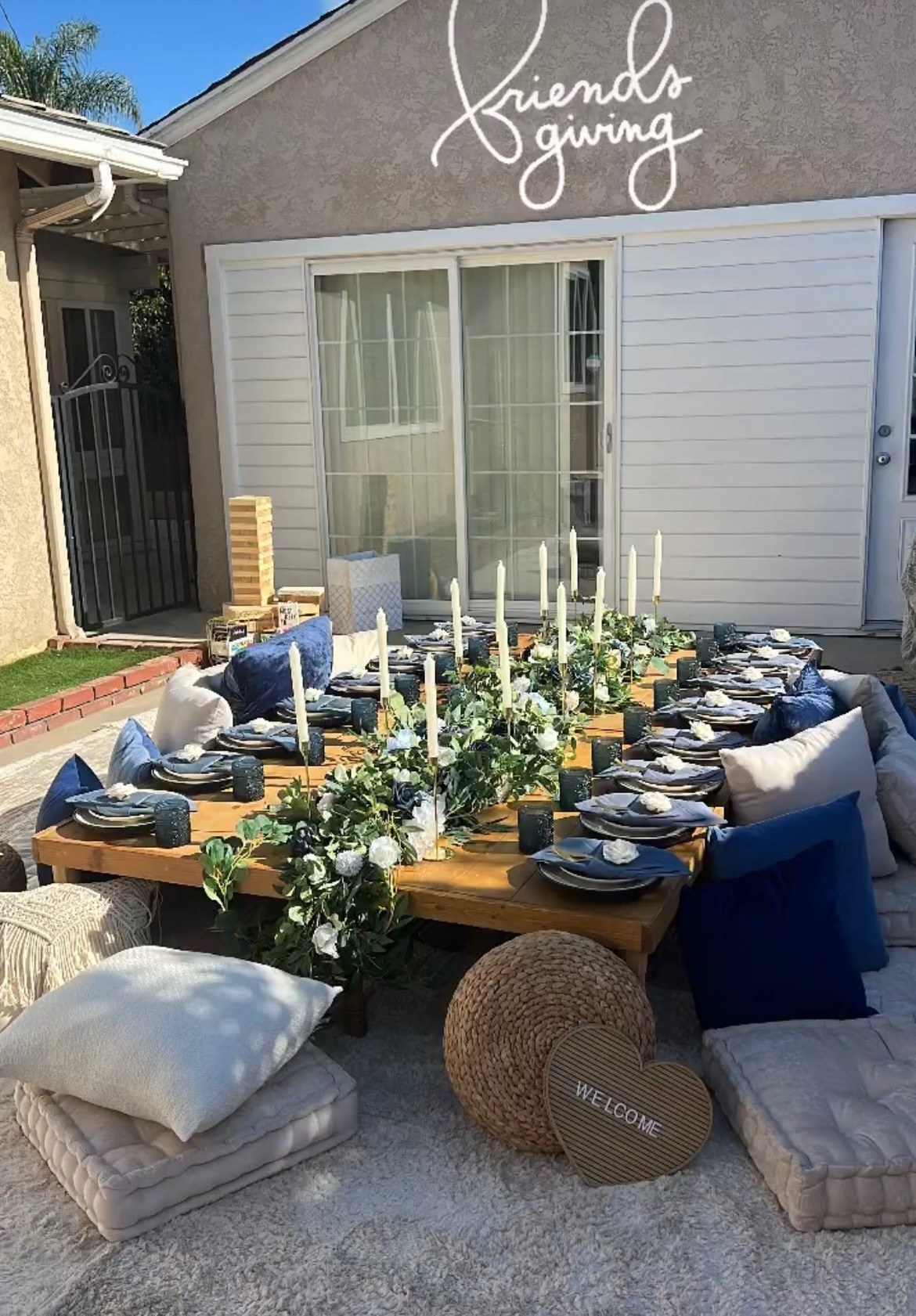
But if Black folks are looking at anything, it’s how bubbly and burnt the cheese is on the mac-n-cheese. We’re looking at the dressing and trying to see if there are too many peppers in there. If they can find a place to sit – whether it’s a TV tray or a fold-out card table – does the place setting really matter?
If it matters to the host or hostess, then yes, it should matter. If someone goes to all the trouble to open their home to you, then you abide by their set-up. If you’re accustomed to casual holiday meals, then you host it and break out the paper plates. Otherwise, be grateful that someone went to all this trouble to make your experience nicer.
Because what it boils down to is, “why not?”
We want to hear from you. Do you do formal Thanksgivings (think your grandmother’s china cabinet) or totally casual (paper plates and TV trays)? Tell us in the comments.
Join the conversation
Loading comments…